
Extensive Repair and Conservation of a Grade II listed Fire Station
South London Theatre, West Norwood -Principal Contractor
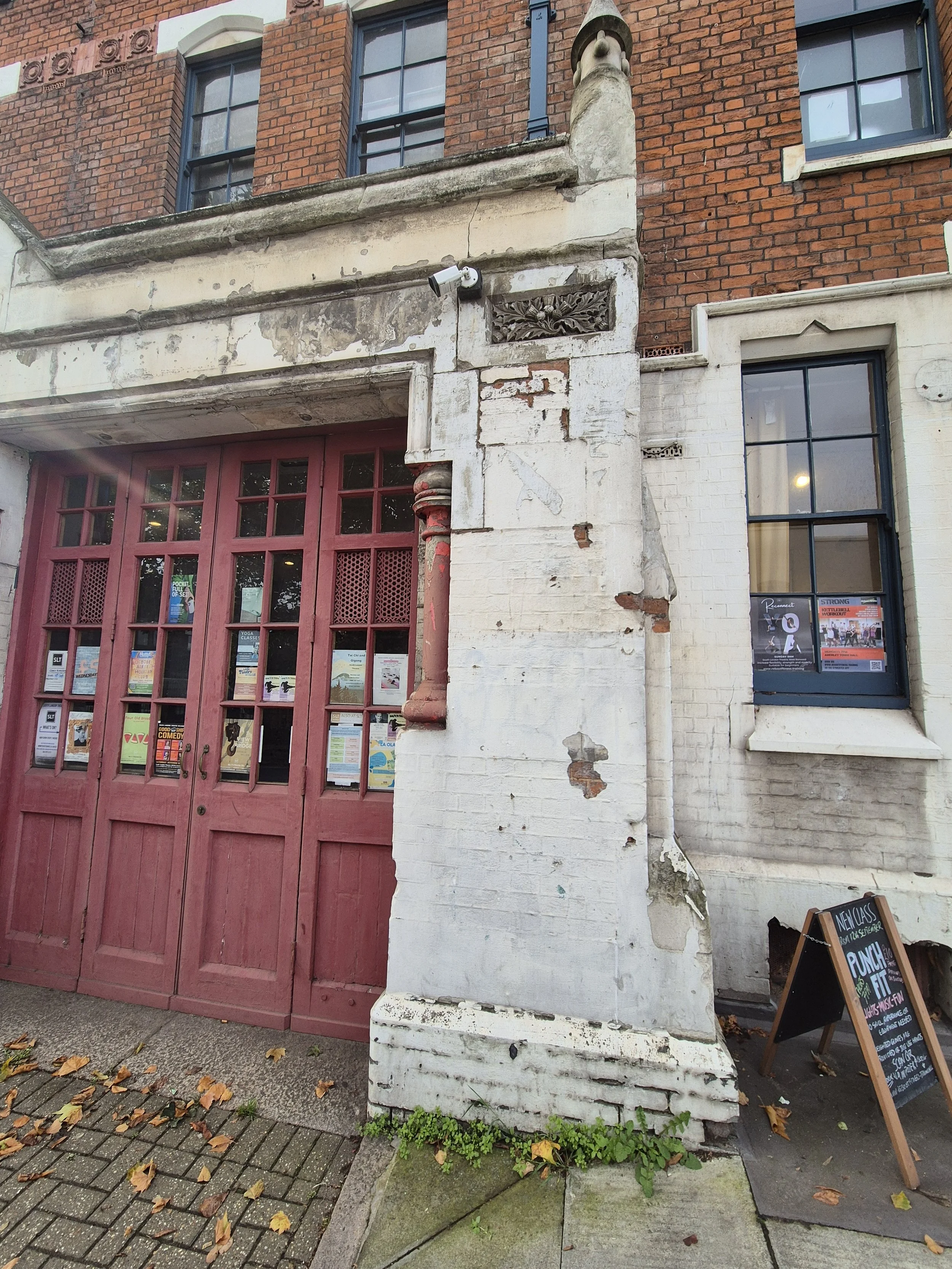
One of our tasks at the theatre was to remove the paint from the ground floor façade. The building had been used for several organisations over its years, first a fire station, then a church hall and finally a theatre. There had been long spells of being uninhabited in between also.
We completed a paint removal sample, which showed 3 different colour schemes, 6 layers of paint. 2 were oil based, the remaining plastic based. We removed the layers with a combination of techniques, first an infrared paint stripper and manually scraping, second a paint softening gel from Restorative techniques, and finally a pass with the Thermatec (a high powered, high temperature steam cleaning machine.)
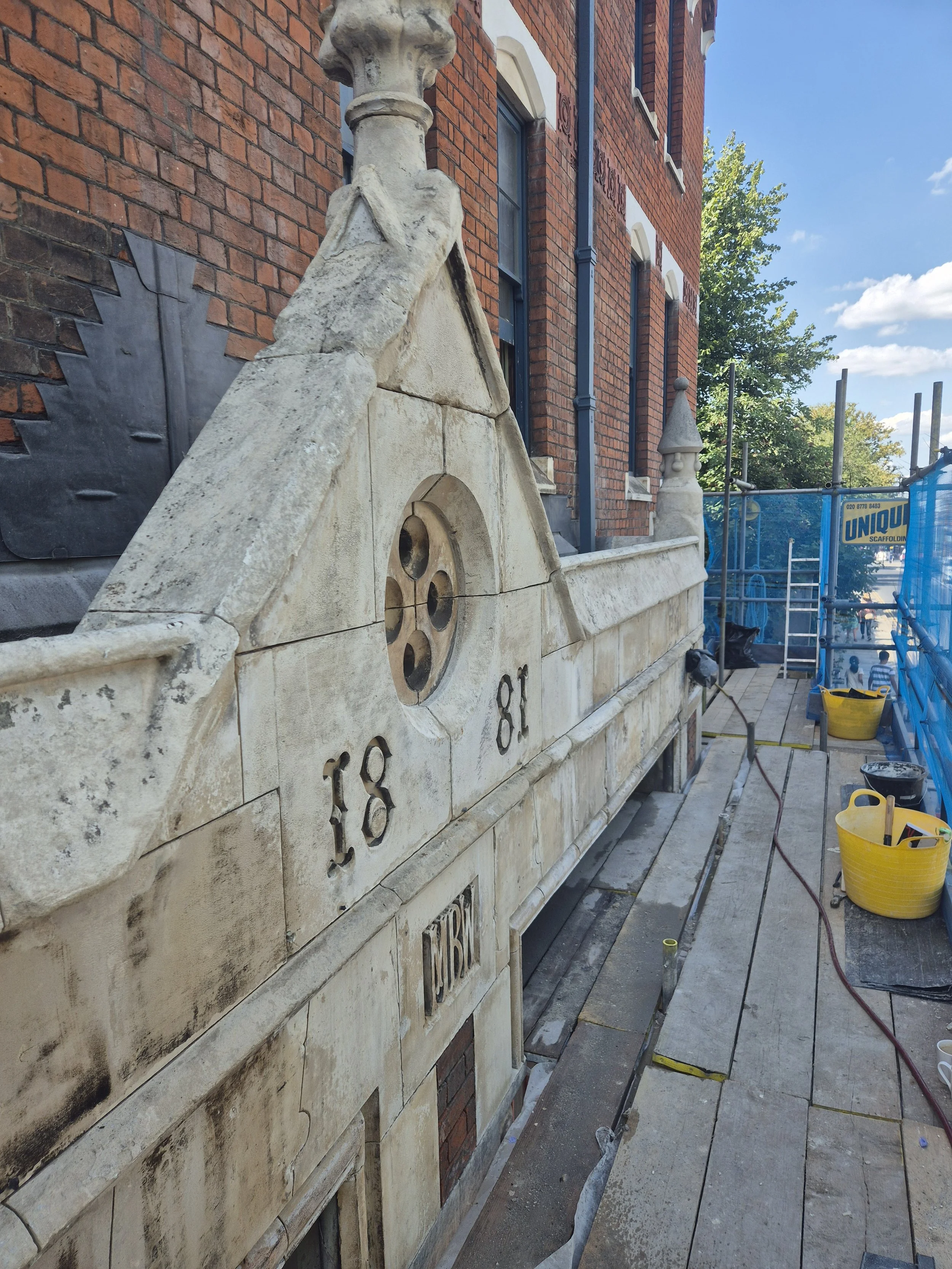
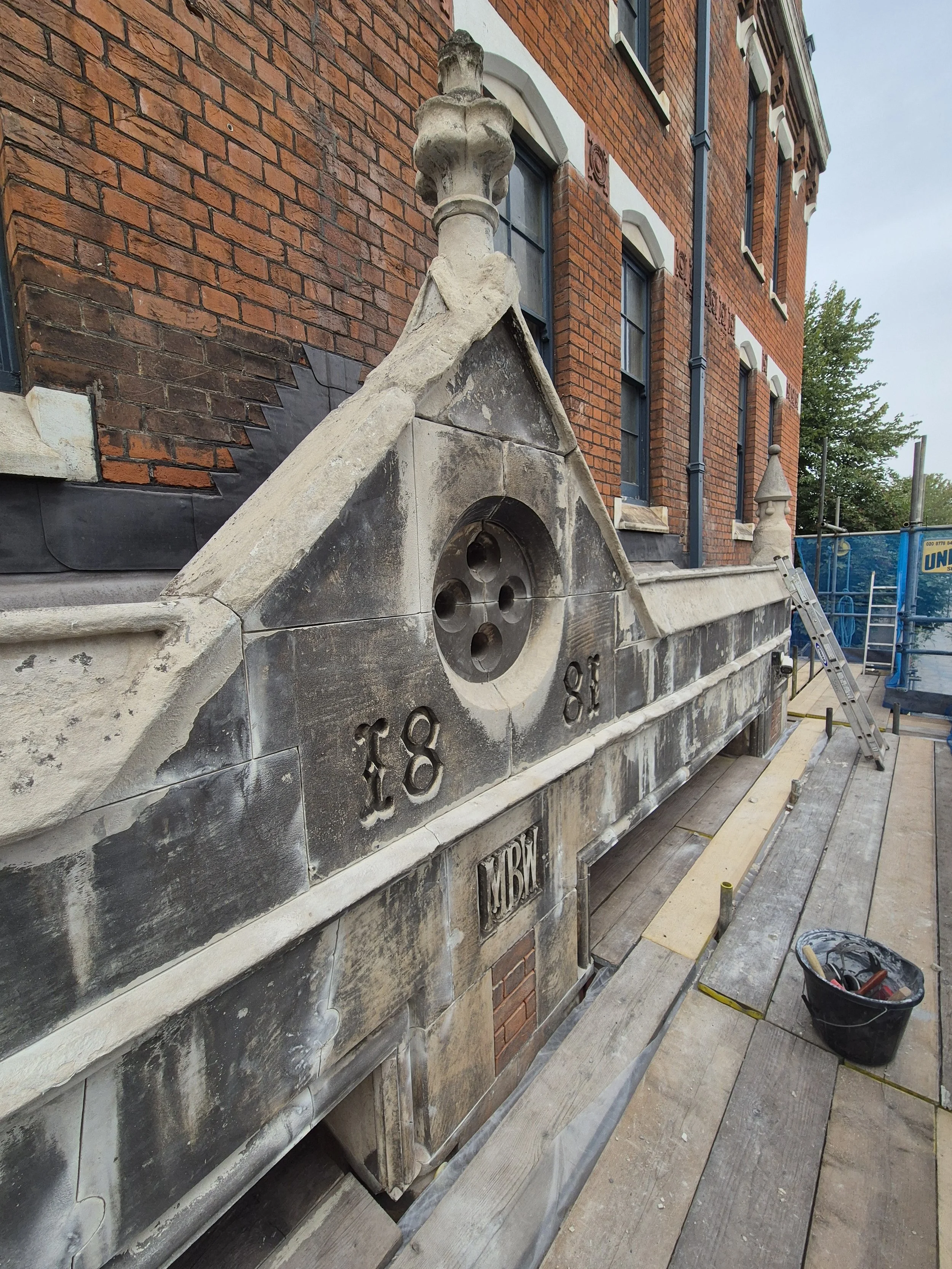
When we removed the paint from the Portland portico, we found it to be heavily stained with sulphation, it had been painted to hide this we believe. We carried out some ammonium carbonate poultice samples and removed the sulphation successfully in 2-3 applications with decreasing dwell times with each application. We repeated this for all the stone elements on the ground floor facade; on completion we removed all the mortar joints that had failed due to saturation behind plastic paints and repointed using an air lime and fine sand mortar.
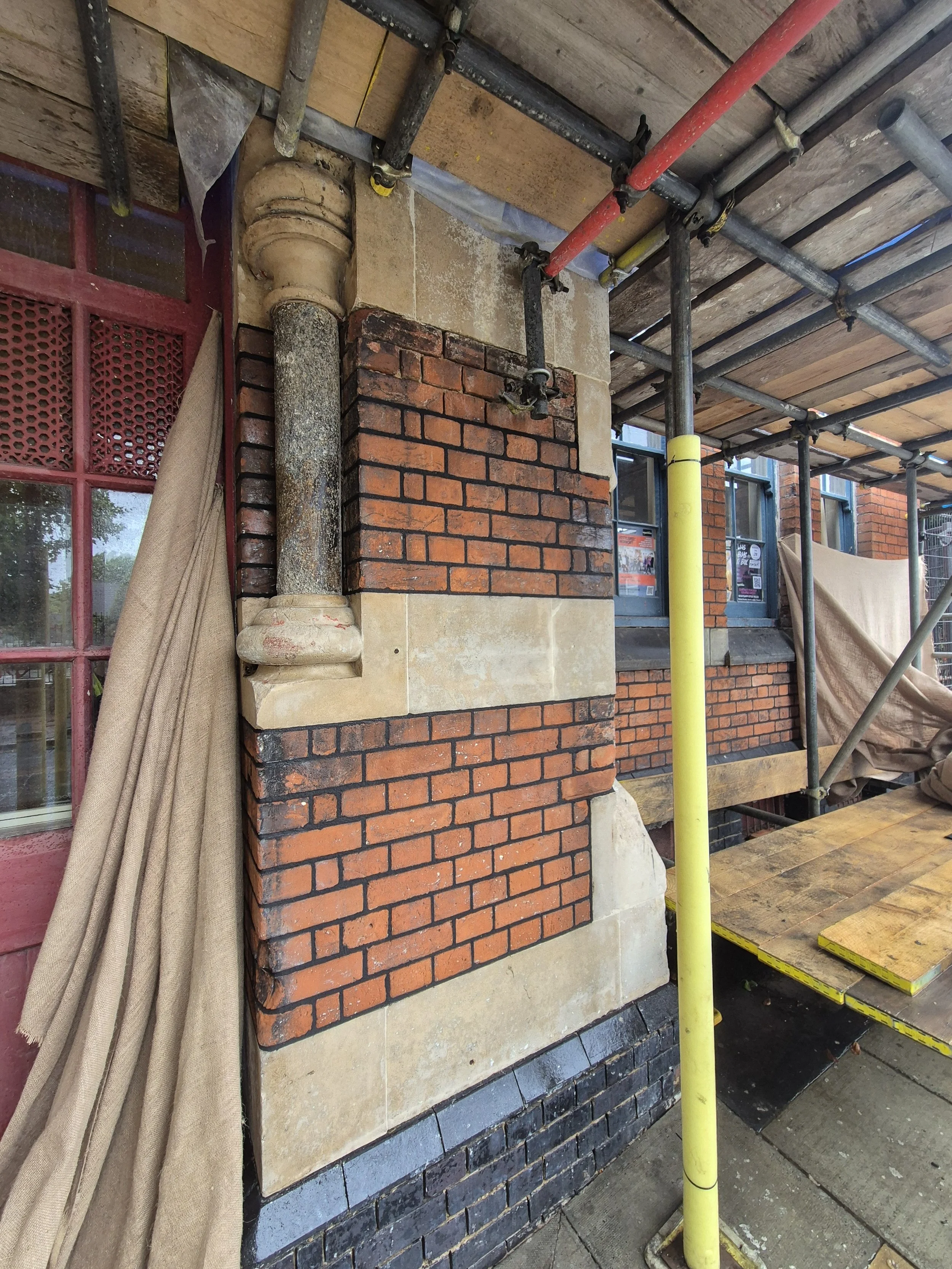
Following the removal of the paint, we set to cutting out 70% of the pointing. Some areas had faired well over the years; most had deteriorated as the ability to move moisture and dry out had been hindered or stopped completely by the paint. We removed this with a combination of hand tools and grinders with dust shrouds to collect any airborne dust. Care was taken not to damage the brick arris’, so a finer blade was used to do a central relief cut.
We repointed these areas with a gauged hot mixed putty; this was not left to mature but used within a couple days. We used a local fine sand – it was 4mm down and angular in its shape. Due to the time of year, we added 5% Agrical (pozzolan) to achieve a faster set and better guard against frost damage. The original mortar was black. We did a few mortar samples, each with added black iron oxide till we achieved the colour we wanted, another option could have been a modern colour wash – but we had our reservations on the Potassium Silicate hindering the movement of water from the wall. The mortar was finished flush with the brickwork; this was achieved using a churn brush and fine brush combination.
The Theatre had experienced water ingress through the collar joints of the sash windows on the GF. We removed many different layers of modern grey mastics and spray foam. We filled the cavity between the sash and brickwork with well haired lime putty mortar and finished over the top with a burnt sand mastic we made ourselves using Double Boiled Linseed Oil, and dried sand we’d used for the pointing
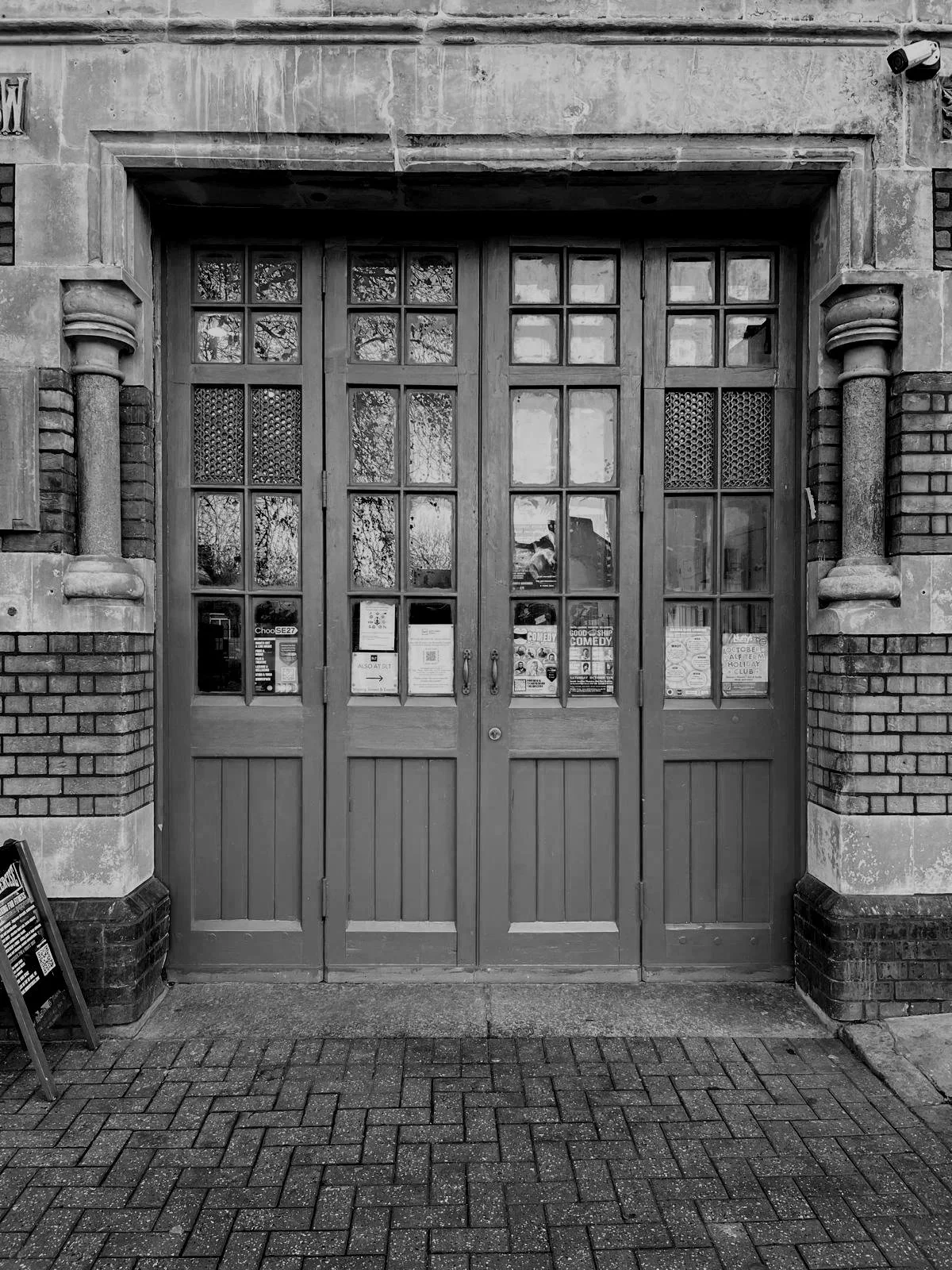
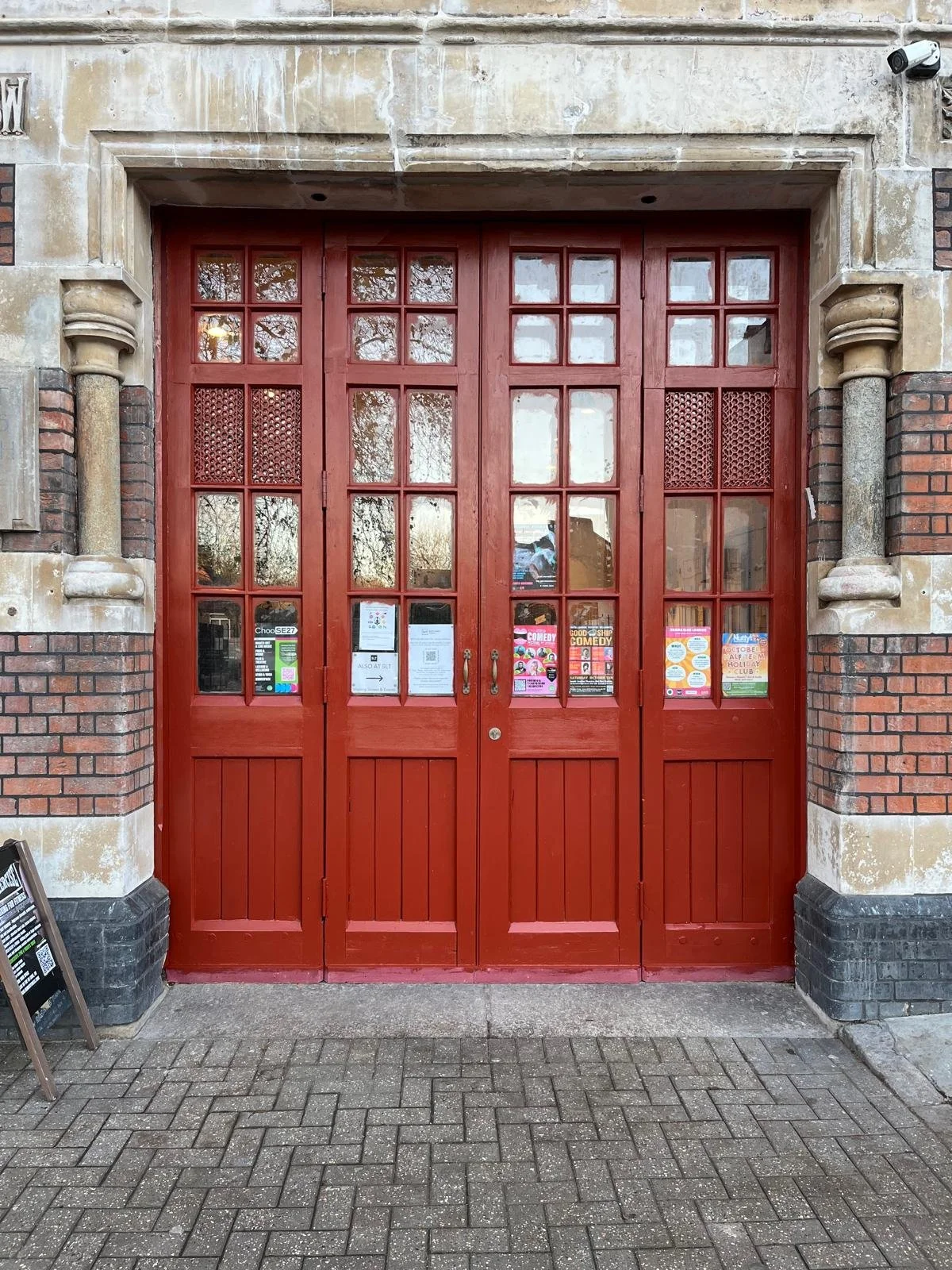
As part of our scope of works we completed a condition report of all 46 sash windows and the main doors on the ground floor. The report highlighted the years of intervention, unfortunately these repairs had been carried out using modern materials that aren’t compatible with older properties or joinery in this example. We found several repairs at ground level carried out in internal grade soft wood, although sheltered – standing water had caused extensive decay.
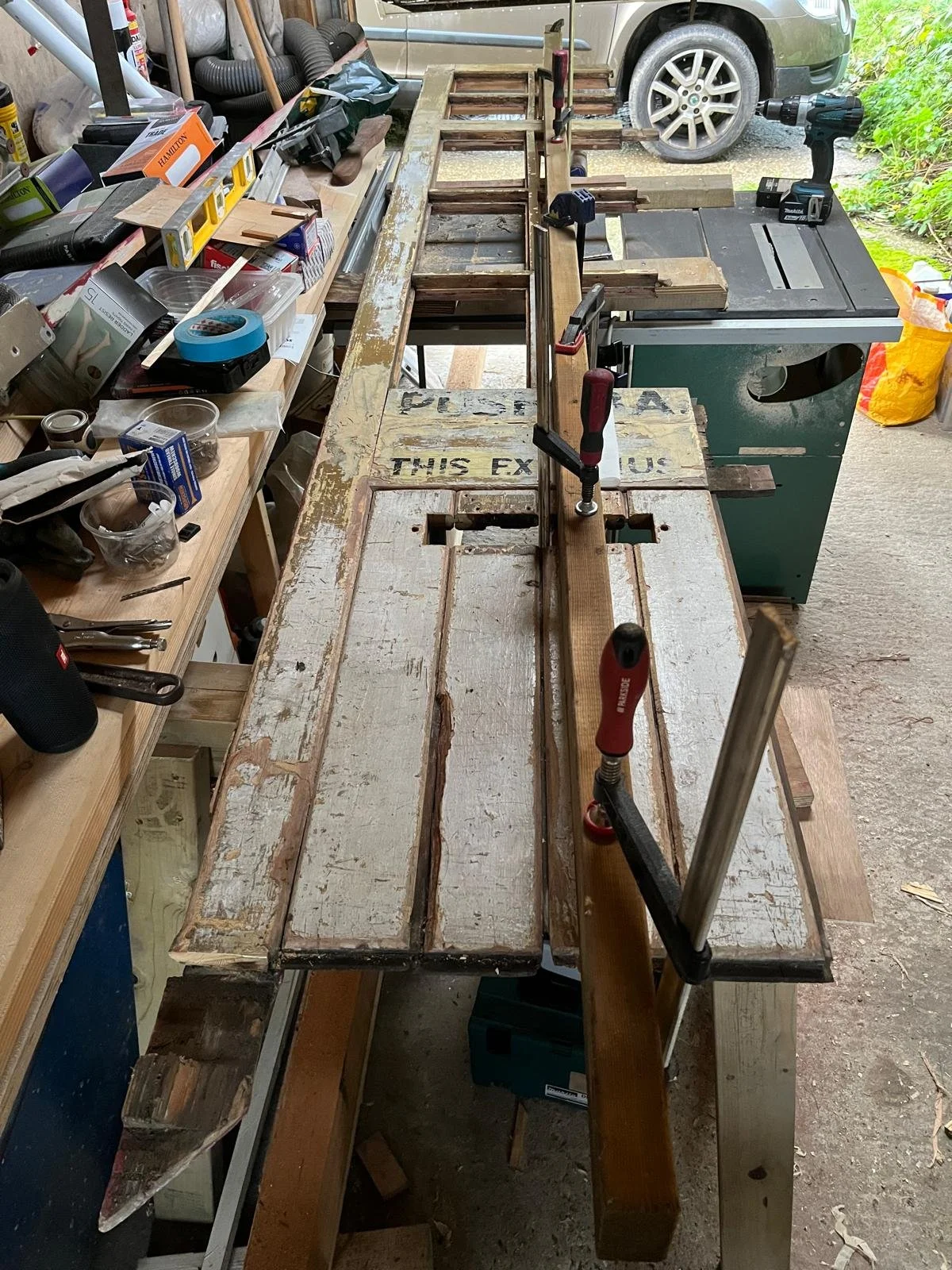
Plastic paint and impermeable mastics had caused crucial structural elements of the door to rot away due to trapped moisture, we found that most tenons had decayed to a worrying level, leaving the rails very fragile. In addition to this, the locks mortice had removed the midrail tenon in its entirety, we sourced a bespoke Rim lock to use in its place, enabling us to repair this rail and strengthen the door once more.
We carried out a lead paint analysis on the doors; this came back positive. Indicating lead paint had been used in places in the past. We removed the paint using an Infrared paint remover and scraper. Therefore, not exposing us to dangerous Lead fumes.
We found once we had removed the paint, many of the glass panes were not original to the doors, they had been replaced over the years, but most did not have their putty removed to do so. Instead, smaller panes were inserted and secured with clear mastic. We sourced matching glass and replaced these correctly. Resealing all with Linseed oil putty.
Once we had removed the doors and completed all necessary repairs, we reinstalled the doors and caulked any larger gaps with Oakum and linseed oil putty before priming, undercoating and top coating using a colour matched Linseed oil paint from Ingilby.